
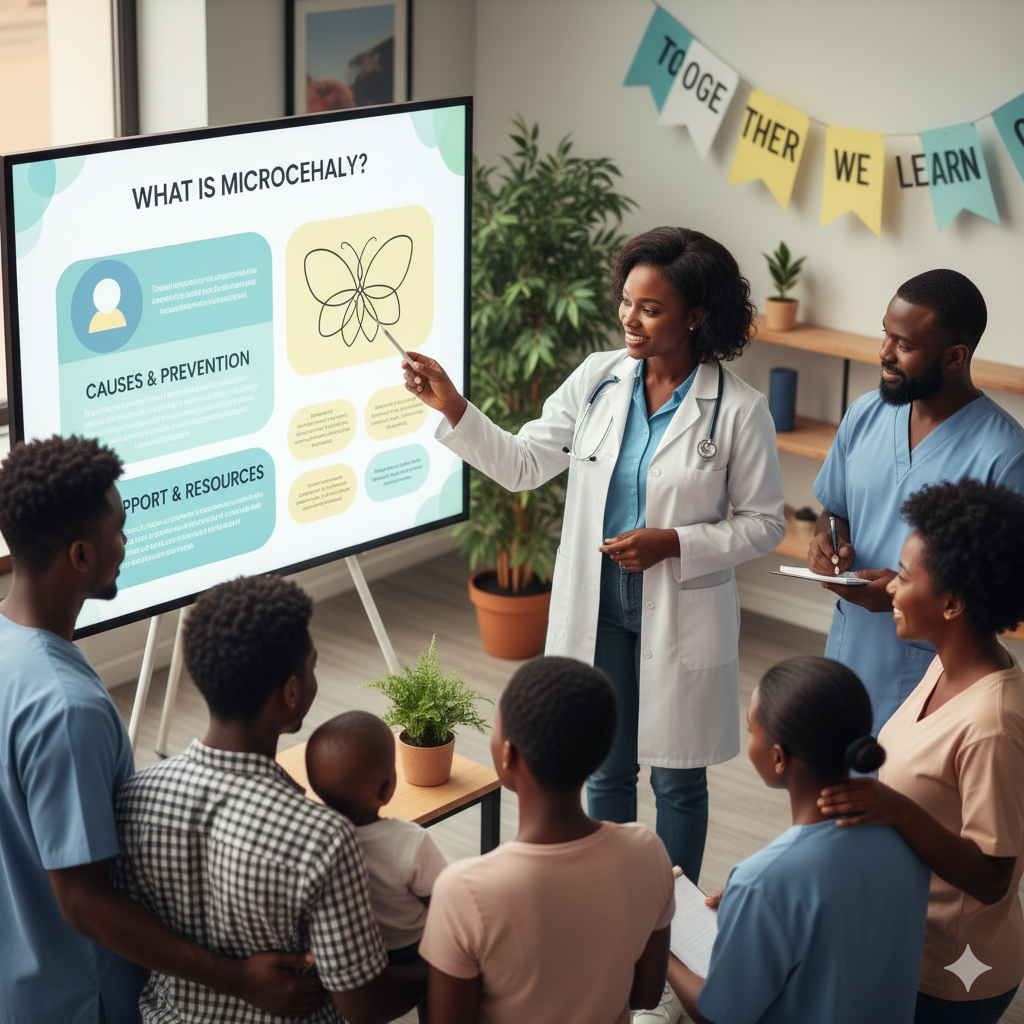
Awareness
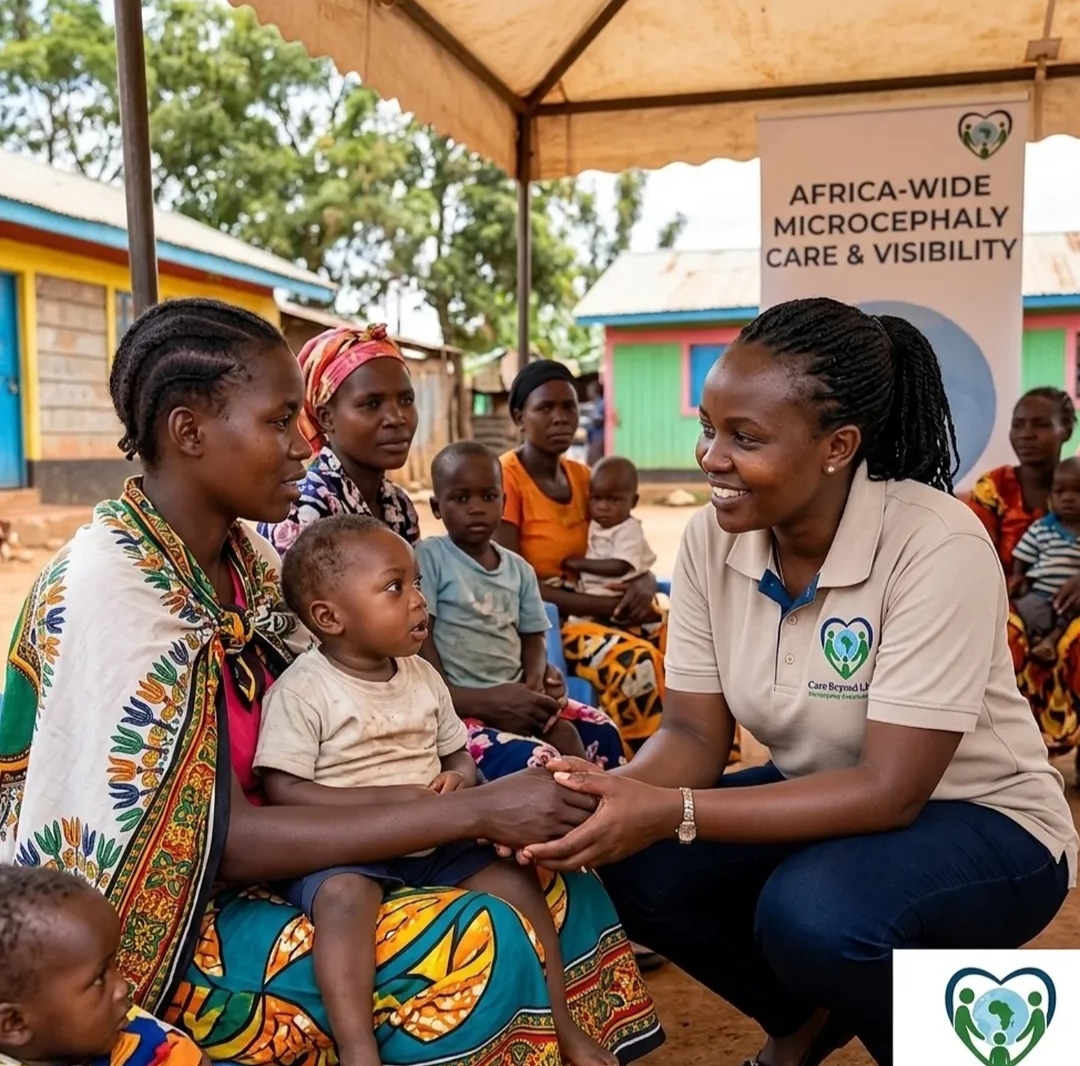
Spreading knowledge about Microcephaly in communities and health spaces through campaigns and education.
Care Beyond Limits – Microcephaly Africa Foundation raises awareness, supports families, and advocates for children born with Microcephaly across Africa.

Care Beyond Limits was born out of a divine calling and a deep realization that children with Microcephaly in Africa are often unseen, unheard, and unsupported.
In 2024, our founder, Lenah, received a dream which was a revelation from the Lord revealing His heart for these children, that they mattered to Him and deserved to matter to the world too.
As she began researching, she discovered a painful truth: there were no dedicated organizations or research centers in Africa and even globally, focusing on Microcephaly. Most families faced this condition in silence, misunderstood, stigmatized, and without guidance or resources.
What began as one woman's awakening soon became a movement to bring awareness, advocacy, and hope to children living with Microcephaly and their families.
Care Beyond Limits exists to give them a voice, create understanding, and build a continent where every child, regardless of ability is valued, supported, and loved beyond measure.
Together, we're making a difference in the lives of children with microcephaly and their families across Africa
Learn about the condition, its causes, and how we can support children and families affected by Microcephaly
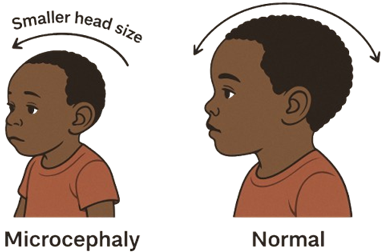
Microcephaly is a neurological condition where a baby's head is significantly smaller than expected for their age and sex. This occurs because the brain hasn't developed properly during pregnancy or has stopped growing after birth.
Children with microcephaly often face developmental challenges, but with proper support and early intervention, they can achieve significant milestones and lead fulfilling lives.
The brain may not develop properly, affecting cognitive and motor functions
Early detection and intervention are crucial for optimal development
With proper support, children can reach their full potential
Care Beyond Limits works in three phases. Each one has to exist before the next can stand on it.
First we count the children nobody has counted. Then we build the evidence that makes governments act. Then we build the care those children should have received from the day they were diagnosed.
We are deliberate about this order. It would be easier to announce a continental programme. It would not be honest.
Spreading knowledge about Microcephaly in communities and health spaces through campaigns and education.
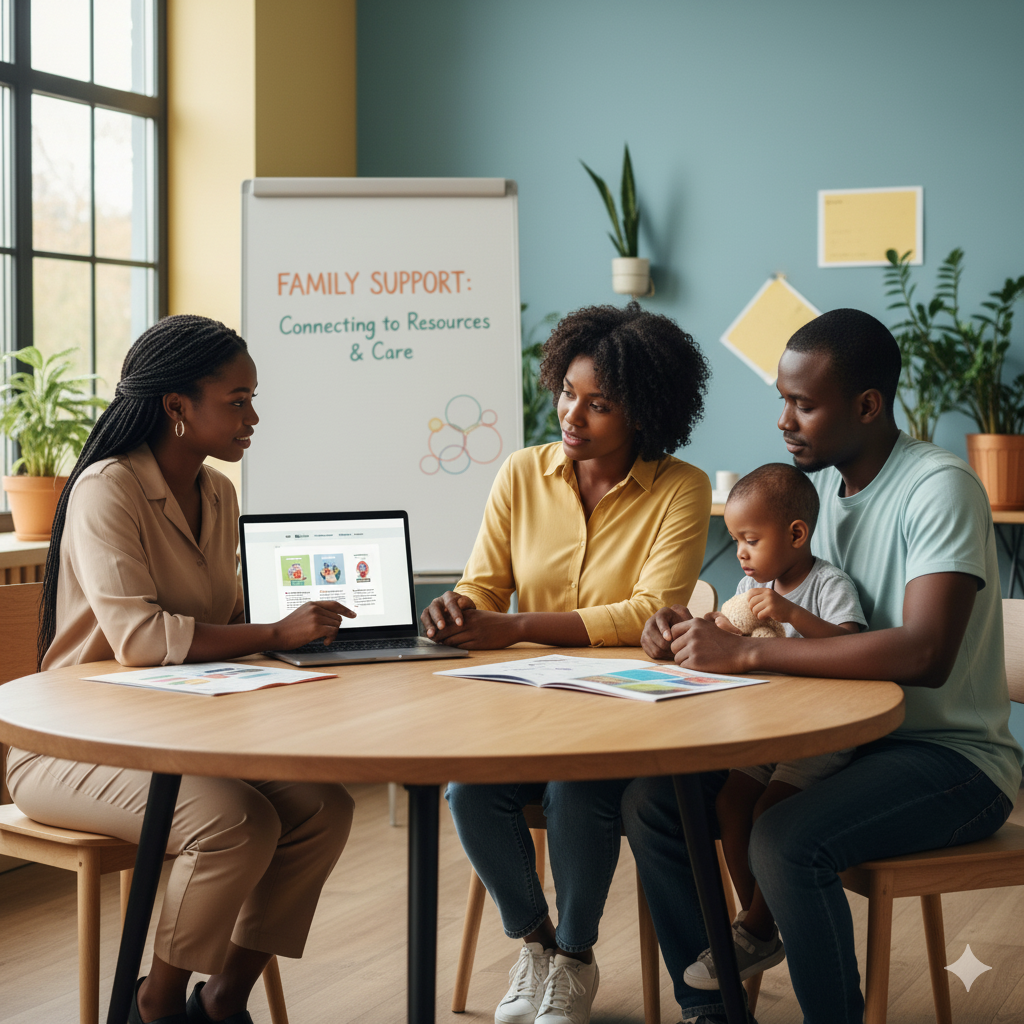
Connecting families to resources, guidance, and emotional care through our network of professionals.
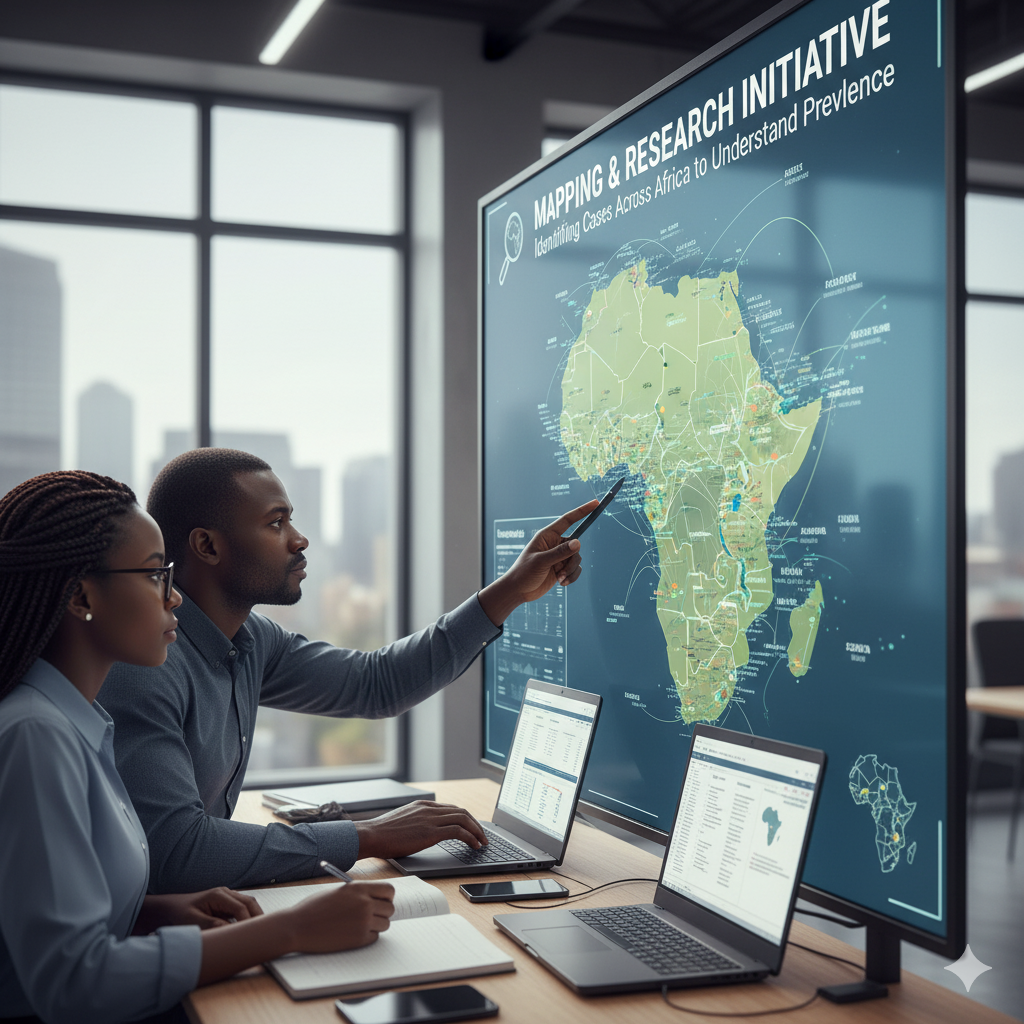
Identifying cases across Africa to understand Microcephaly's prevalence and develop effective interventions.
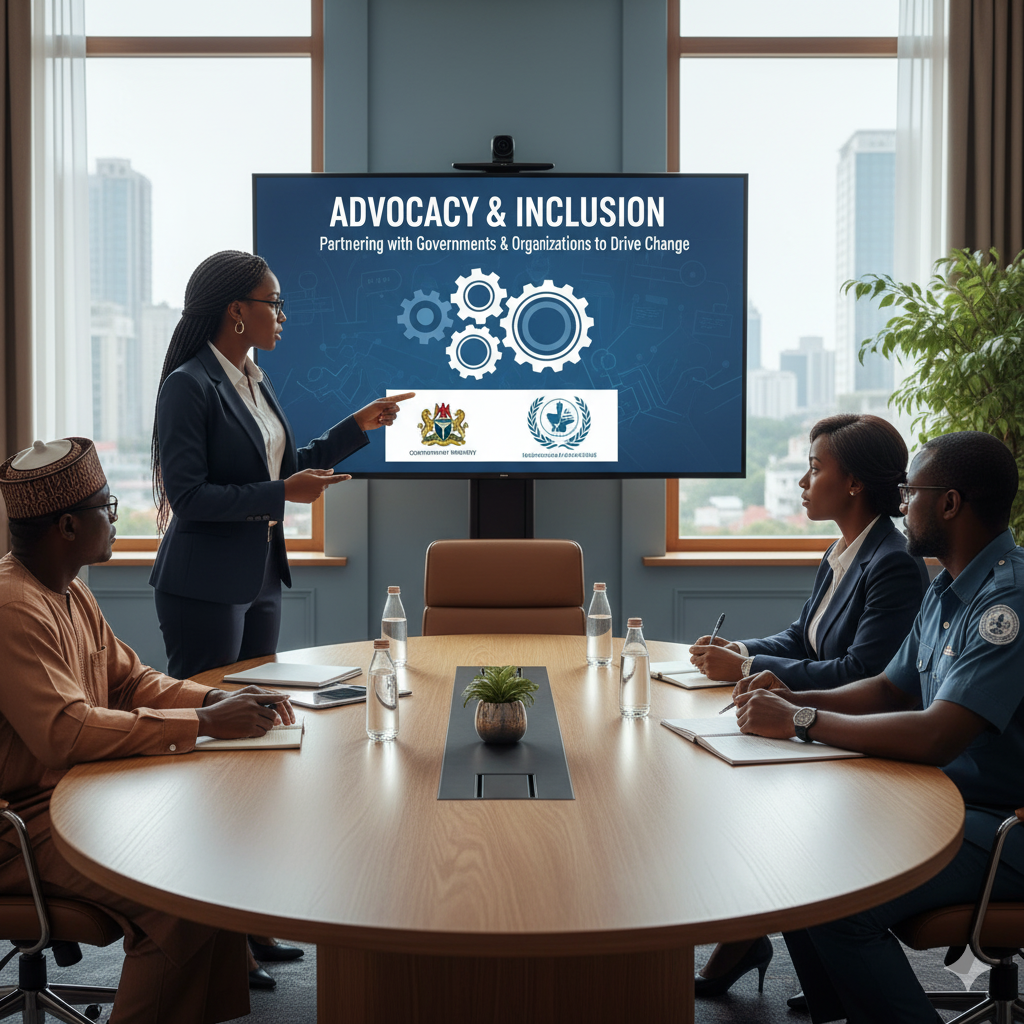
Partnering with governments and organizations to drive policy changes and promote inclusive communities.
Sympathy watches. Radical empathy sits down.
It means sitting on the floor where the mother sits, seeing the day she actually has, and then doing something about it. Empathy that changes nothing is just a feeling.
Every programme on this page began in somebody's living room.
Nairobi County, Kenya
Most children living with microcephaly in Kenya are never registered with the National Council for Persons with Disabilities. Because they are not registered, their families receive nothing from the state; no assistive devices, no severe disability cash transfer, no education support.
We walk families through the whole process: medical assessment at a gazetted centre, registration on eCitizen, and the certificate at the end of it. We go with you. It costs you nothing.
With each family's written consent, we also record what that child's life actually requires: age, diagnosis, care needs, school status, caregiver situation, county. Those records become the first version of the registry described in Phase 2.
If you are a parent or guardian: message us on WhatsApp +254 751 968 729. We will explain what is involved and arrange to meet you.
A monthly gathering where caregivers meet each other and learn one practical skill from a volunteer clinician: positioning, feeding, seizure and convulsion response, and what to do in an emergency.
Most of the mothers we work with have never met another mother raising a child like theirs. That isolation is its own injury, and it is one of the few we can treat immediately.
No cost. No requirement to be registered with us. Come as you are.
Not one country in Africa has a Microcephaly registry. Nobody knows how many children on this continent are living with the condition, not the ministries of health, not the hospitals, not the researchers.
That absence has consequences. A government cannot budget for children it has not counted. A hospital cannot plan services for a condition that does not appear in its data. A researcher cannot study a population that has never been described.
We are building that count, beginning in Kenya and extending across the continent through partnerships with clinicians, governments, researchers and caregiver organizations in each country.
The registry is being built to serve three purposes:
We are looking for: expertise in patient registry design, and clinical partners in paediatric neurology, therapy and community health across the globe. If that is you, we would like to hear from you.
A Radical Empathy Model of Care
A physical home for the care these children should have had all along.
Each Dignity Centre (one in every Region of Africa) will bring together, in one place, what is currently scattered or missing entirely: physiotherapy, occupational and speech therapy; caregiver training; respite for exhausted families; assessment and referral; and research conducted with families rather than about them.
The name matters to us. These are not clinics where children are processed. They are places built on the assumption that a child with Microcephaly has a life worth equipping and that the woman caring for that child is an expert, not a patient.
This model is recognized in our nomination for the inaugural Prix Galien USA Patient First Award in 2026.
Phase 3 is years away, and we will say so plainly until it is not. Phase 1 and Phase 2 are how we earn the right to build it.
Message us on WhatsApp +254 751 968 729. Whether or not you want to join the registry, we can help you register your child with the state.
Refer families to us, or give two hours a month to teach one skill at a Caregiver Circle. Two hours is the whole ask.
We are designing ours now, which is exactly when advice is worth most.
USD 42 registers one child with the state and adds them to the registry. USD 60 supports one caregiver for a full year. Larger partnerships open a new county.
A hall, a clinic space, a church room we could borrow one morning a month lets us open a Caregiver Circle somewhere new.
To raise awareness, promote inclusion, and support families of children with Microcephaly in Africa through dedicated programmes and advocacy.
A continent where every child with Microcephaly has access to healthcare, education, and a life beyond limits, free from stigma and discrimination.
Compassion, Integrity, Inclusion, Hope, and Dignity guide every action we take and every life we touch.
Expanding our reach across Africa to support families and raise awareness about microcephaly
Currently active in Kenya, Tanzania, Uganda, Rwanda, and Ethiopia with plans to expand to more countries.
Watch how we're transforming lives and creating hope across Africa
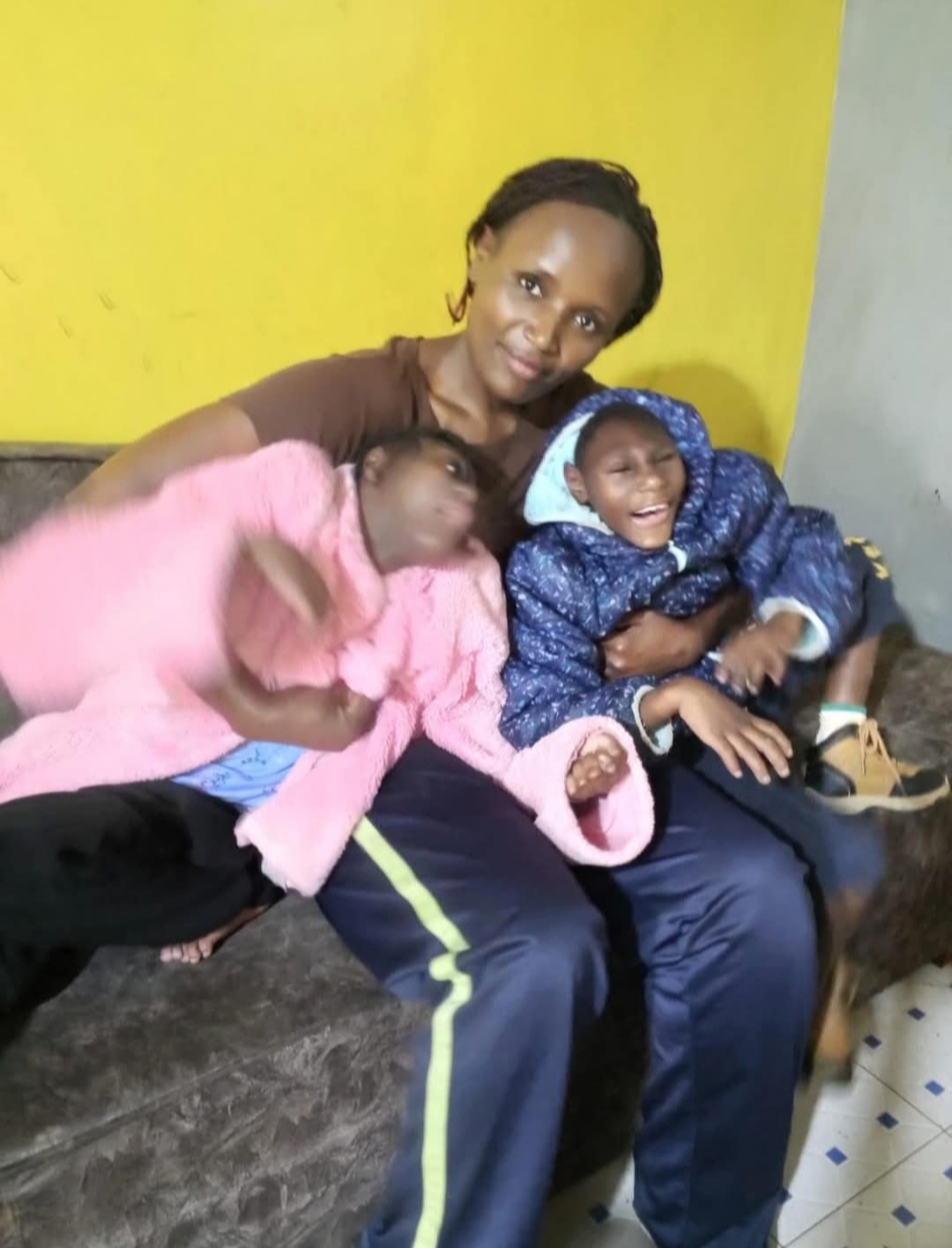
A brief look at the families and children at the heart of our work
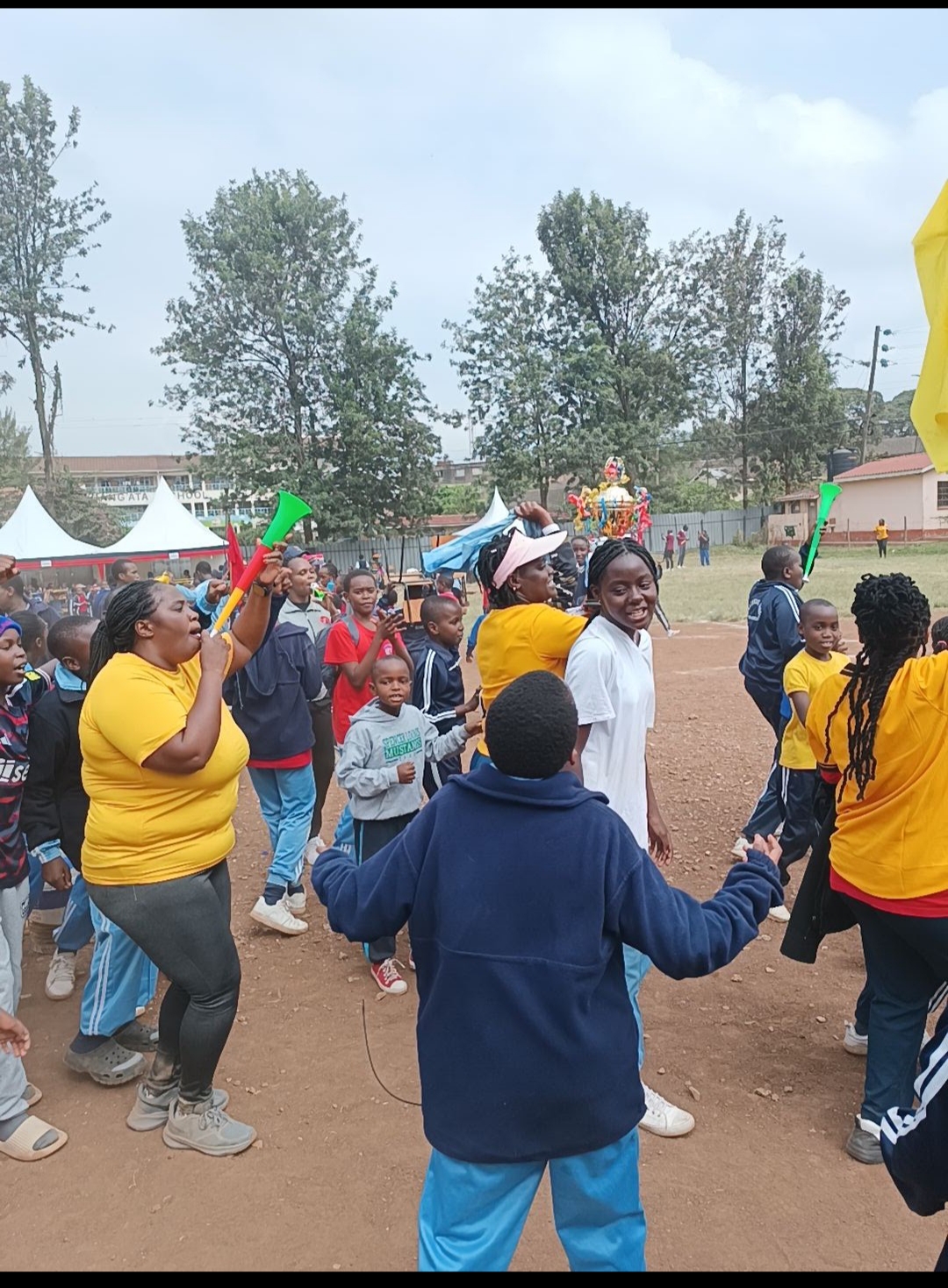
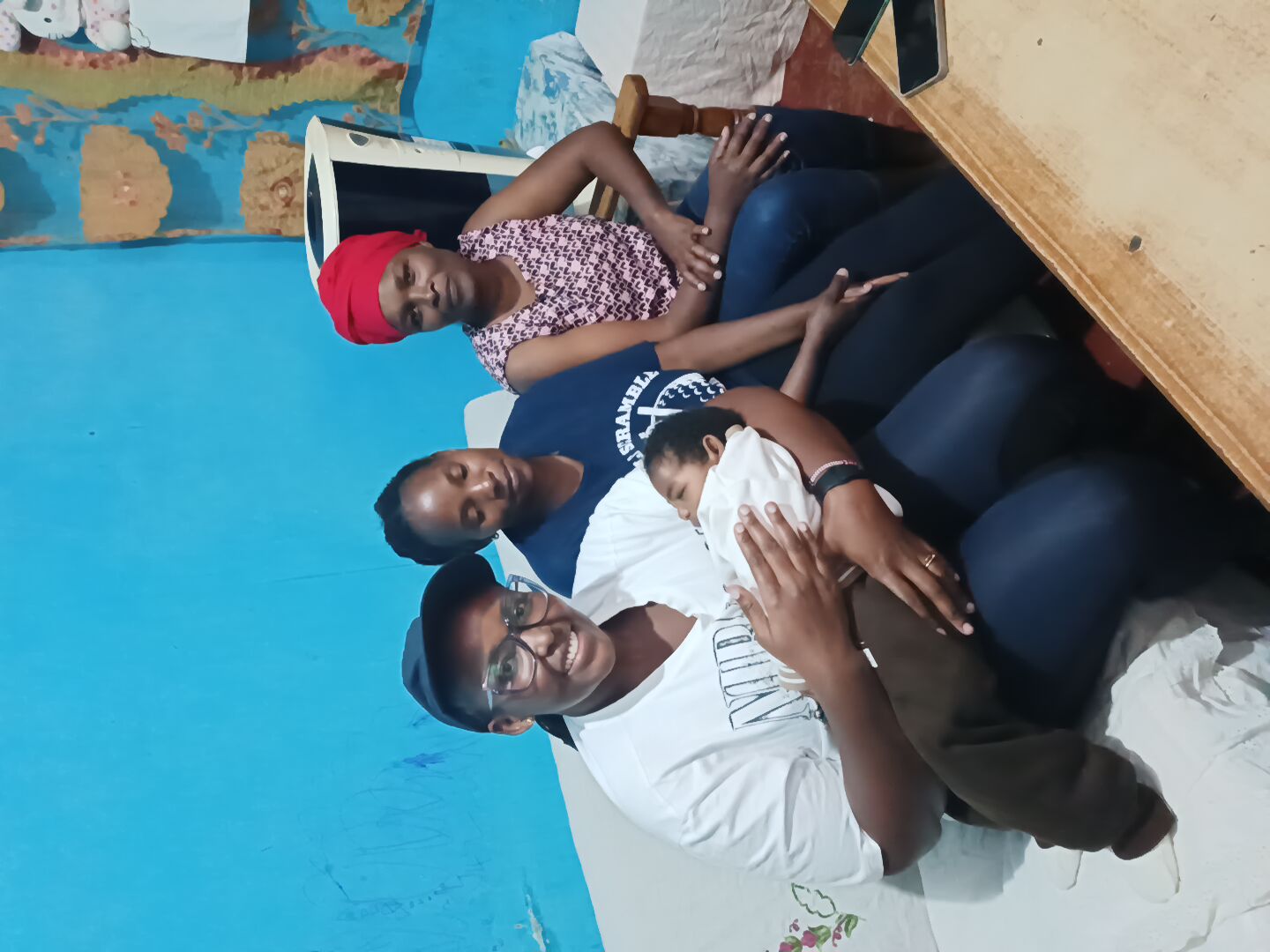
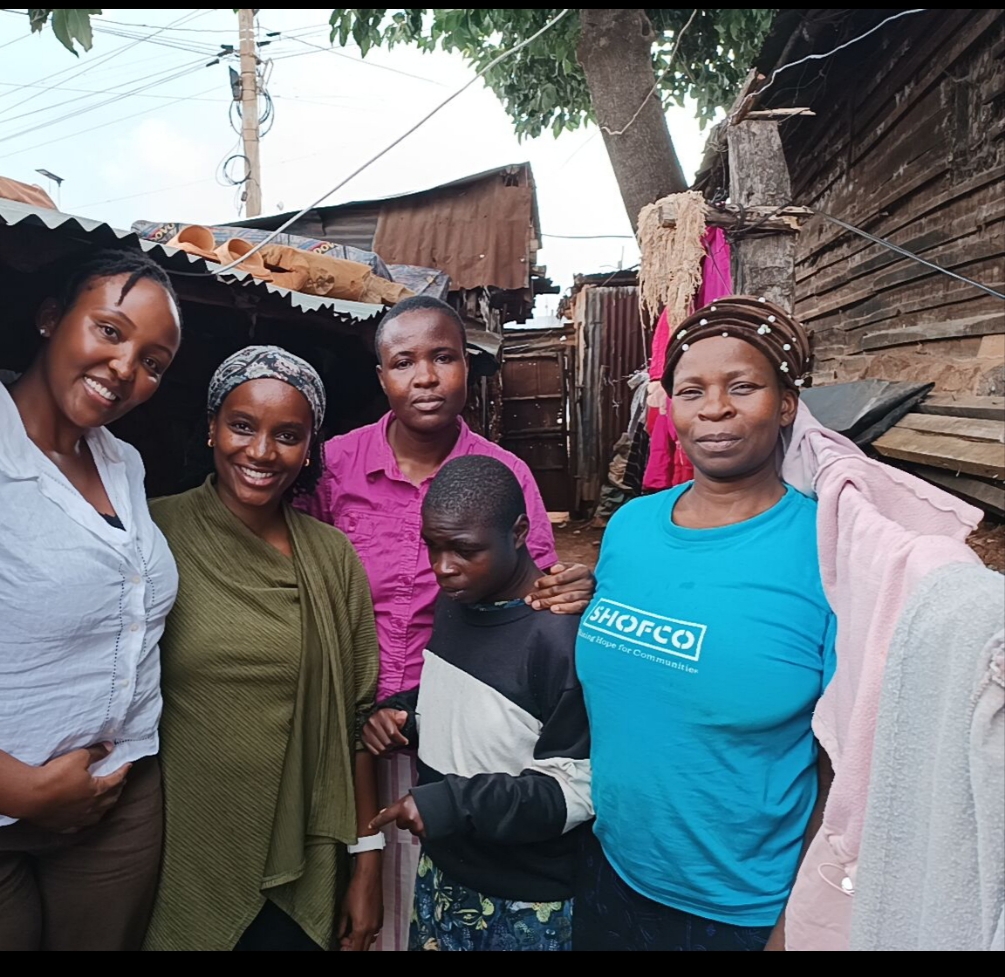
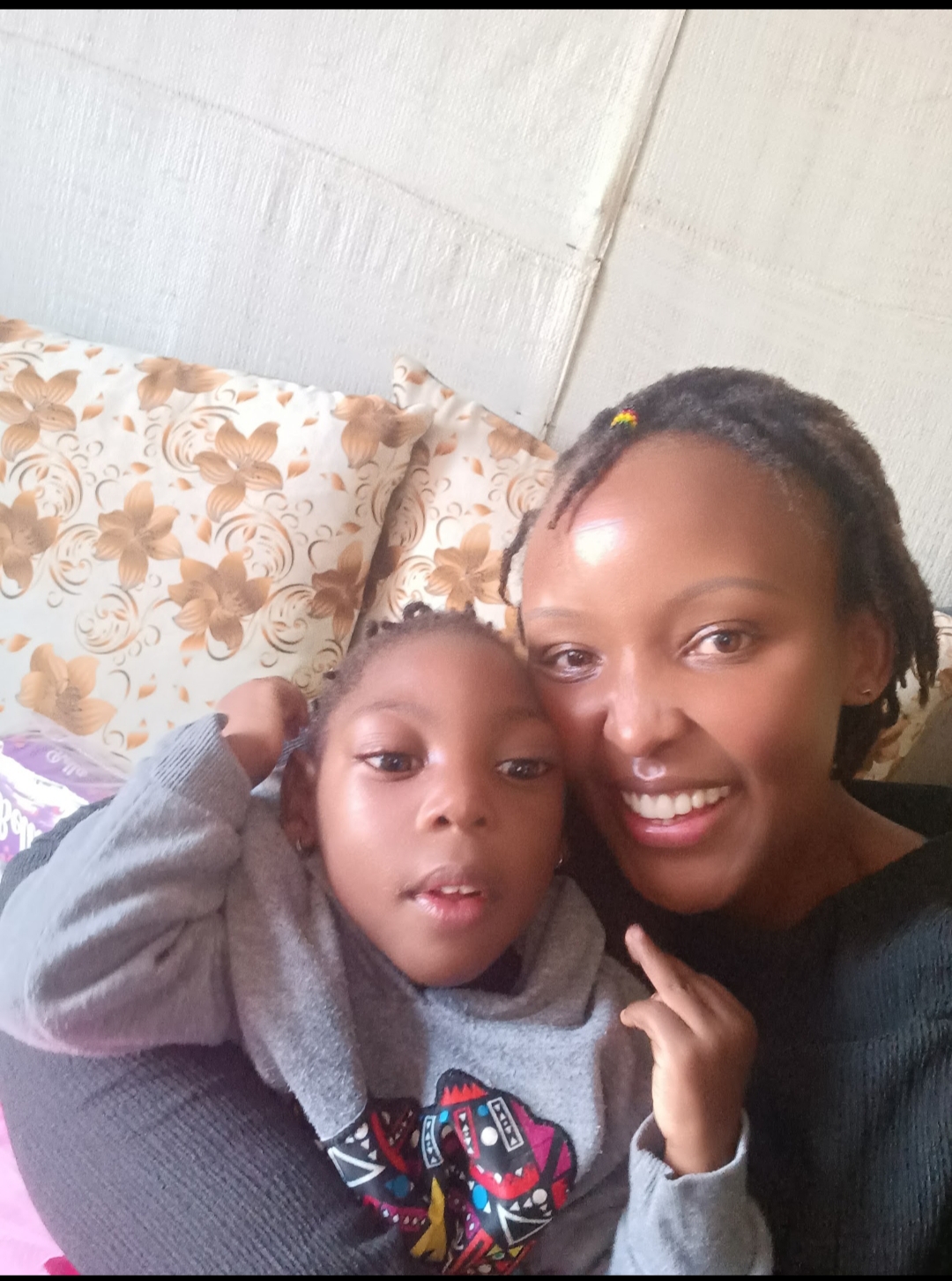
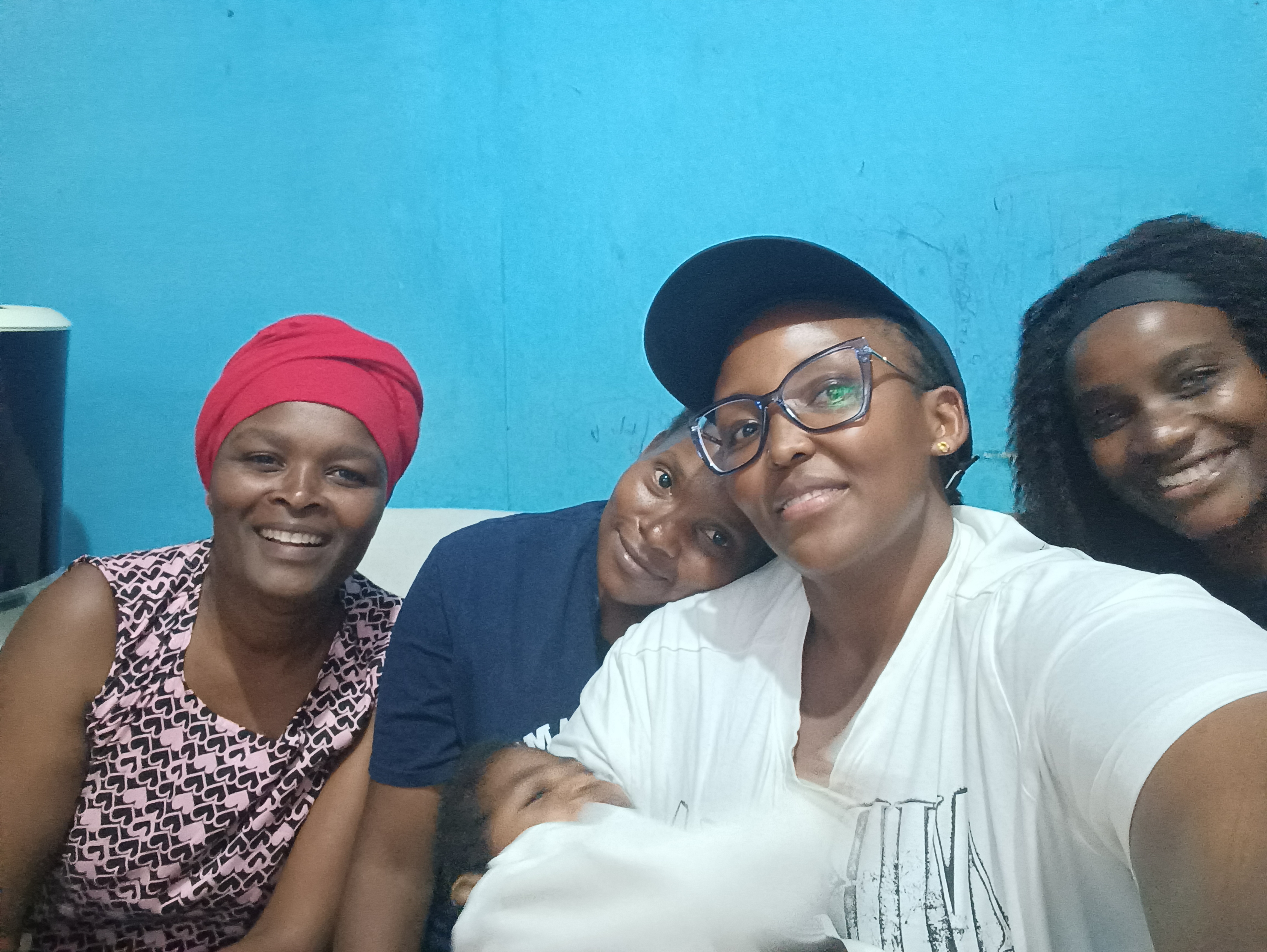
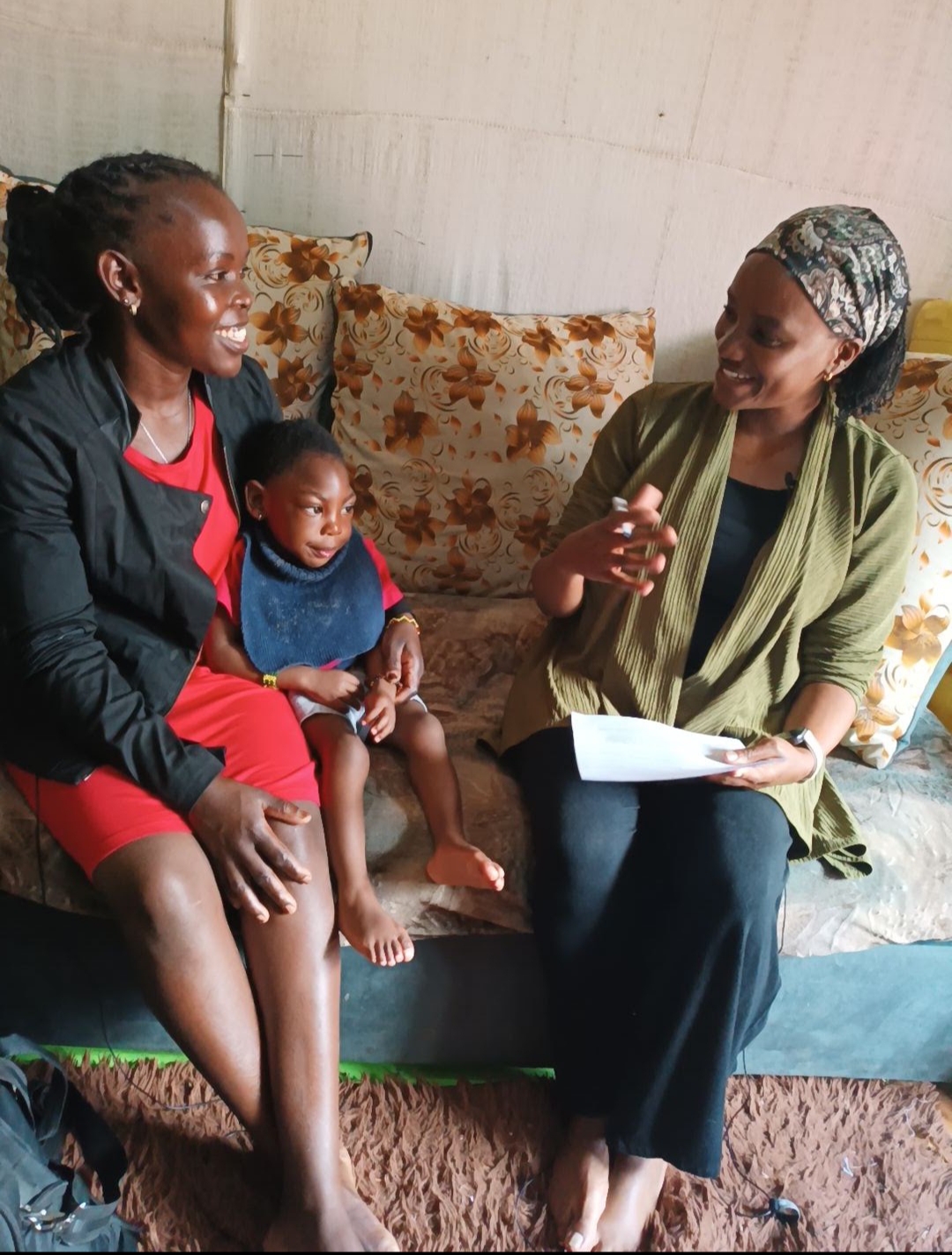
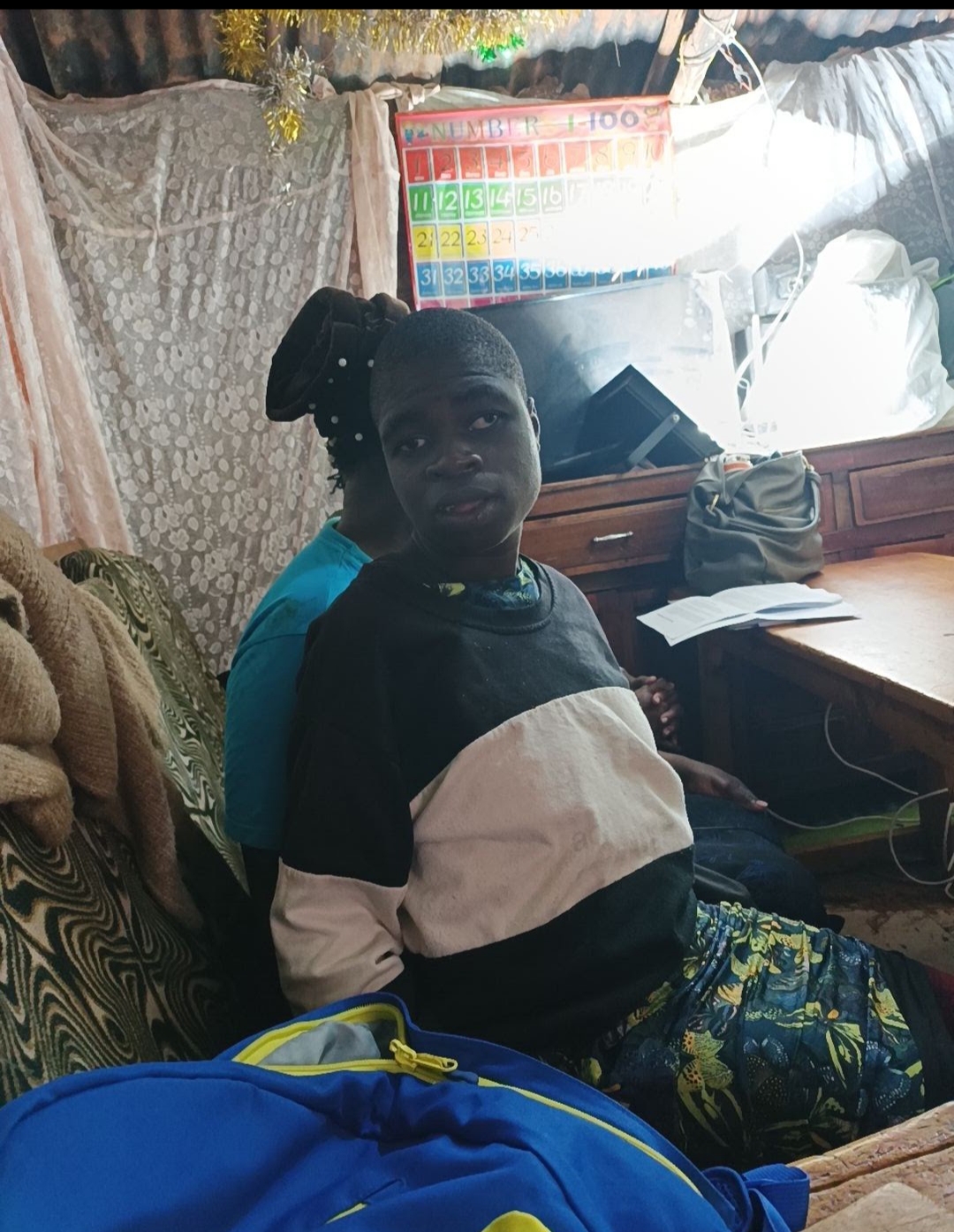
Moments from our awareness campaigns, community events, and family support programmes
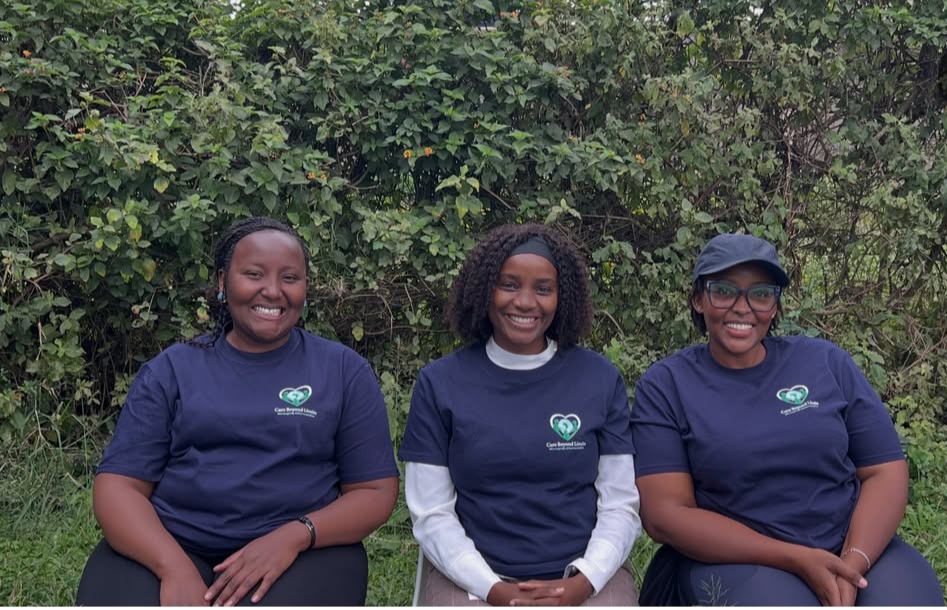
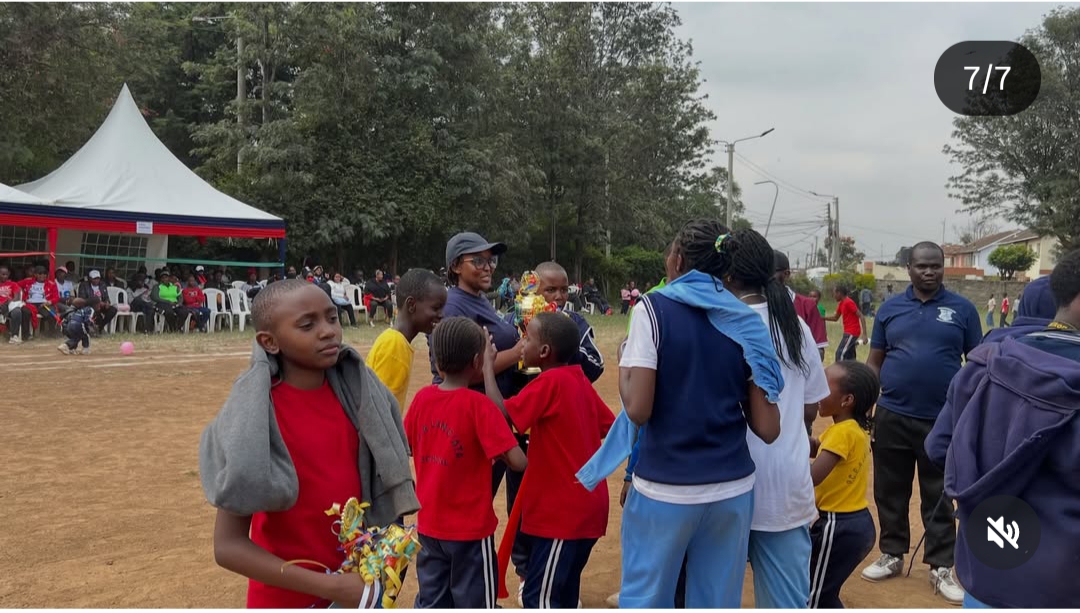
News, features and press from our work across Africa
Our founder writes about what it meant to see Care Beyond Limits named among the inaugural nominees for the Prix Galien USA Patient First Award — and what it took to get there.
Read the Article
The official announcement from The Galien Foundation naming the nominees for the Patient First Award, in honour of Michael J. Fox.
Read the Press Release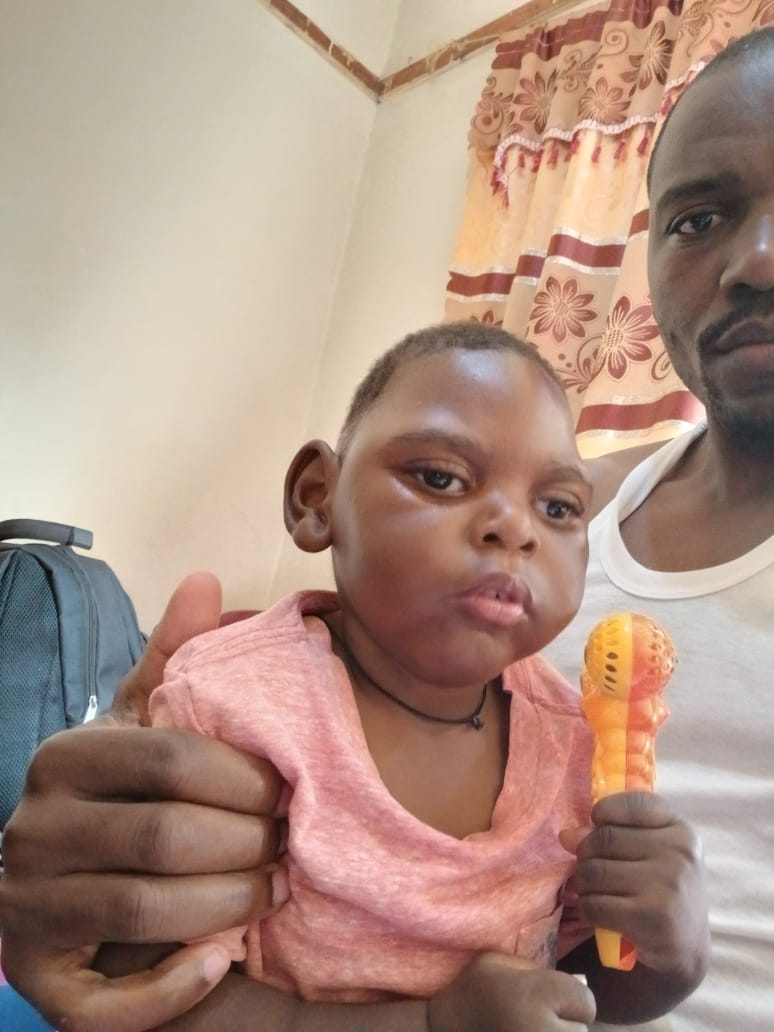
Exploring the challenges and realities of microcephaly across African communities. Learn about the silent struggles families face and the urgent need for awareness, support, and inclusive healthcare systems.
Read Full Article on LinkedIn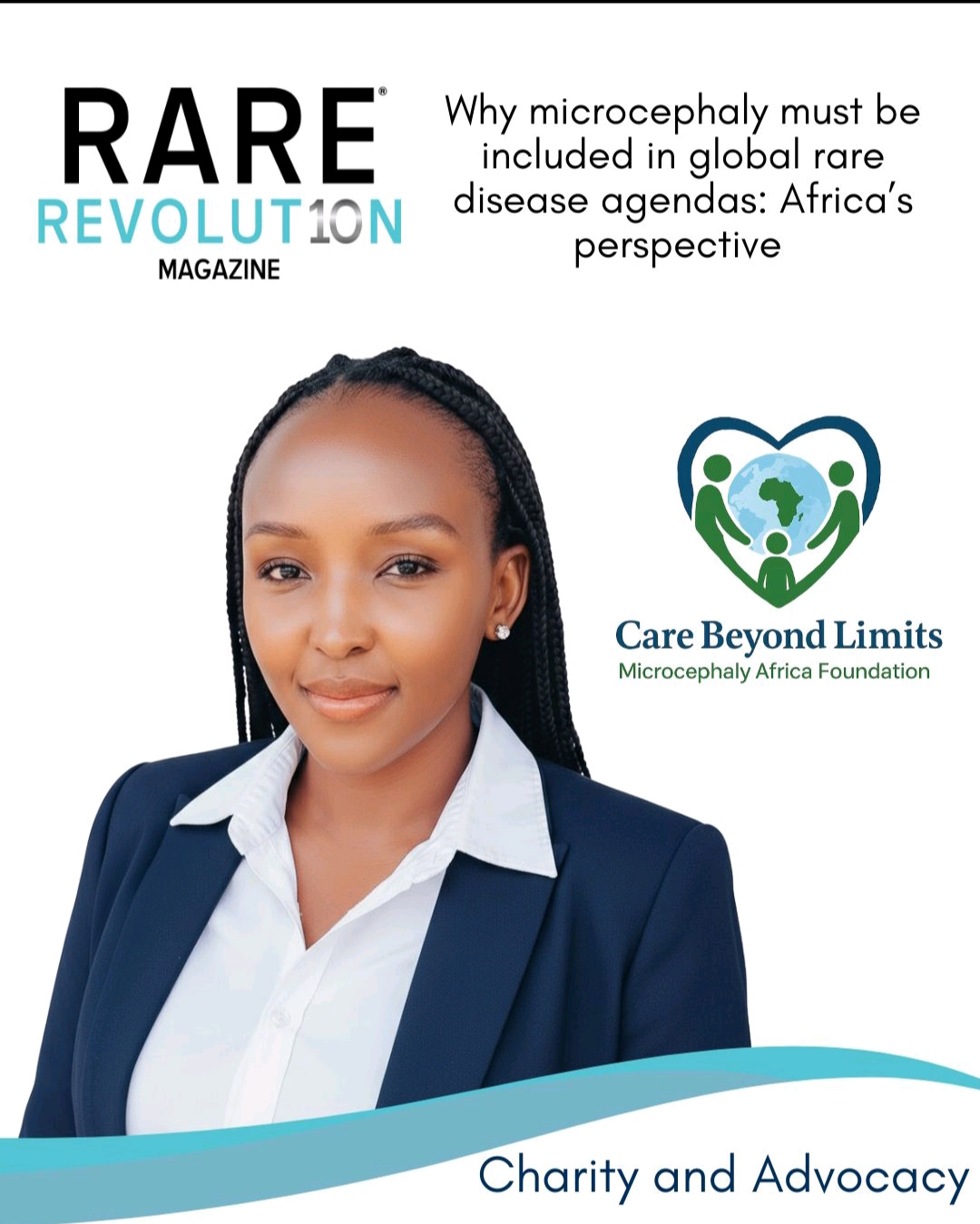
Our founder's article in Rare Revolution Magazine arguing for Africa's perspective to be central to global rare-disease policy.
Read in Rare RevolutionWatch how we're making a real difference in families' lives and creating supportive communities for children with microcephaly.
Watch on YouTubeAccess our latest research, guides, and educational materials
Comprehensive guide for healthcare professionals on diagnosing and managing microcephaly in resource-limited settings.
Download PDFEssential resource for parents and caregivers covering daily care, therapy exercises, and developmental milestones.
Coming soonLatest findings from our African microcephaly prevalence study and impact assessment of our programmes.
Coming soon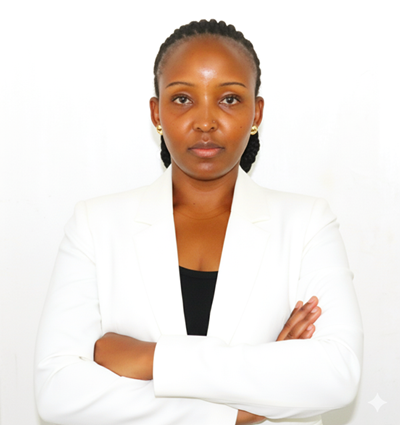
Founder & CEO
Connect with Lenah on LinkedIn"When God placed Care Beyond Limits in my heart, I didn't fully understand the magnitude of what He was asking me to do. I only knew that children with Microcephaly were at the core of His heart. Every child matters. Every story deserves to be heard. And with God's grace, we will keep building a world where they can thrive beyond limits."
Get answers to common questions about microcephaly and our work
Microcephaly is a neurological condition where a baby's head is significantly smaller than expected for their age and sex. This can occur because the brain hasn't developed properly during pregnancy or has stopped growing after birth. It can be an isolated condition or associated with other symptoms like developmental delays, intellectual disability, or seizures.
There's no cure for microcephaly, but early intervention and supportive therapies can help improve development and quality of life. These may include physical therapy, occupational therapy, speech therapy, and medications to manage symptoms like seizures. The focus is on maximizing the child's abilities and providing support to the family.
Microcephaly can have various causes including genetic factors, infections during pregnancy (like Zika virus, rubella, or cytomegalovirus), exposure to harmful substances, severe malnutrition, or interruption of blood supply to the baby's brain during development. In many cases, the exact cause remains unknown.
Join us in creating a continent where every child with Microcephaly has access to healthcare, education, and a life beyond limits.
We'd love to hear from you. Reach out to us with any questions or to learn more about our work.